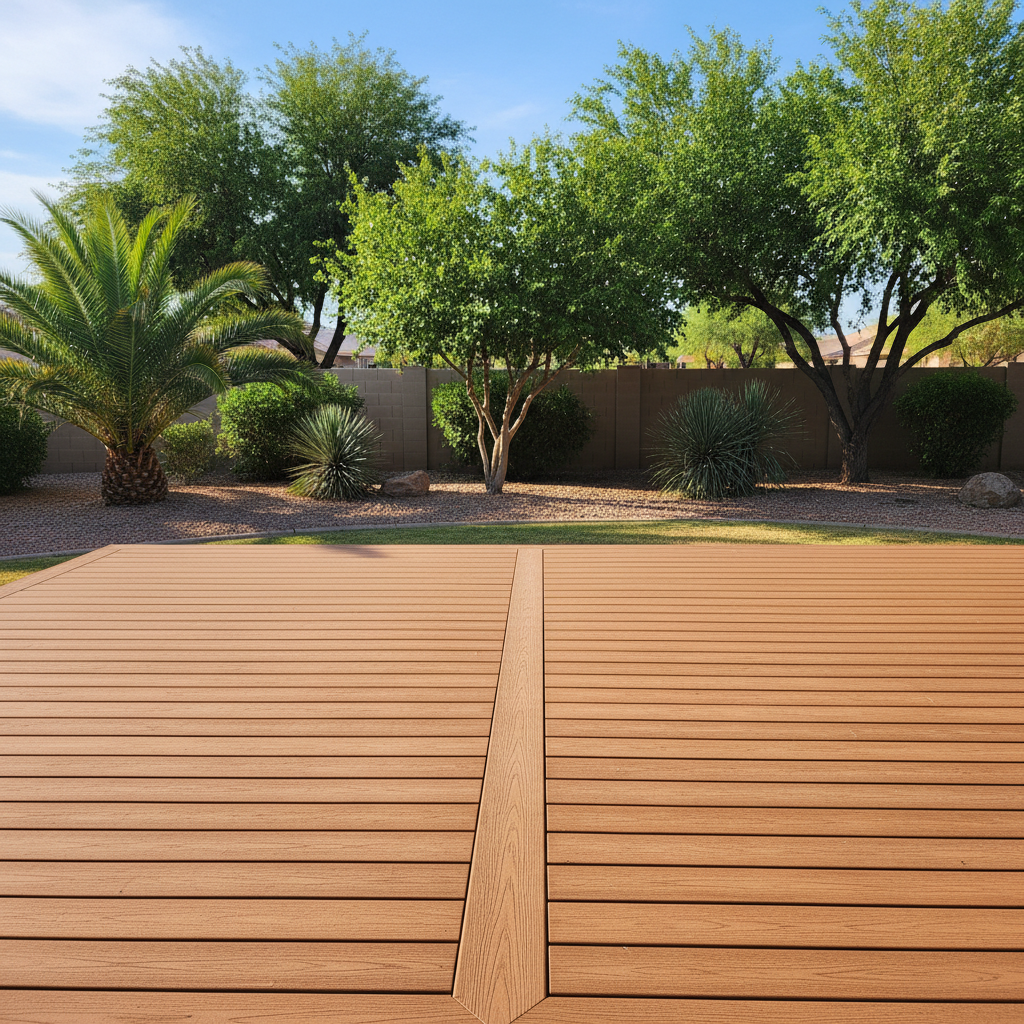
Alright, let's talk composite decks here in Chandler. A lot of folks think once it's in, you can just forget about it. While it's true they're way lower maintenance than wood, 'maintenance-free' is a myth, especially with our Arizona sun beating down and those crazy monsoon storms rolling through.
I've seen plenty of decks, both new and old, and I can tell you that a little effort goes a long, long way. You want to extend the life of your investment, right? Of course you do. Here's what you need to know.
Make Your Deck Last in the Desert Heat
Our Chandler climate is no joke. We get temperatures over 110 degrees for months, and that intense UV exposure year-round is brutal on everything outdoors. This kind of heat makes materials expand and contract, which can stress fasteners and joints over time. But there are ways to fight back:
- Regular Cleaning is Key: Dust, pollen, and general desert grime pile up fast. This isn't just about looks; organic stuff can actually feed mold and mildew, even on composite, especially in shaded spots. A simple wash keeps your deck looking fresh and stops buildup that can stain surfaces.
- Shade, Shade, Shade: If you can, add shade structures like pergolas or shade sails. Less direct sun means less UV damage, and it can even help keep the deck surface cooler.
- Protect from Grills and Spills: We all love a good backyard BBQ. But grease and food spills can stain composite if you let them bake in the sun. Use a splash guard mat under your grill and clean up spills immediately with soapy water.
- Watch the Water: Even though composite handles moisture better than wood, standing water is still a problem. Make sure your deck drains properly and that water isn't pooling anywhere, especially after those heavy monsoon downpours.
What "Regular Maintenance" Really Means
You don't need to spend your weekends taking care of your deck, but some routine attention will save you headaches later on. Trust me on this.
- Sweep or Blow Off Debris Weekly: A quick sweep with a broom or a pass with a leaf blower to get rid of leaves, dirt, and dust is a good habit. Don't let damp leaves sit on the deck; they can cause discoloration.
- Hose Down Monthly: Give the deck a good rinse with a garden hose to remove surface dirt.
- Deep Clean Quarterly (or as Needed): For a deeper clean, use warm water and a mild soap solution (like dish soap) or a manufacturer-approved deck cleaner. Scrub gently with a soft-bristle brush, going with the grain of the boards. Rinse thoroughly afterward to stop any film from drying on the surface. You can even use a pressure washer with a fan attachment, but keep it no closer than 8 inches from the surface and under 3100 psi to avoid damage.
- Check Between the Boards: Debris can get stuck in the gaps. Clear it out to ensure proper airflow and drainage.
Warning Signs to Look For
Your deck usually gives you hints when something's not right. Pay attention to these:
- Wobbly Railings: If your deck railings feel loose or shift when you lean on them, that's a big red flag. This could point to rusted hardware, weakened connections, or even issues with the posts. Safety first, always.
- Cracks, Fading, or Surface Bubbling: While composite is tough, extreme UV can still cause some fading over many years. Cracks or bubbling on the surface, however, can mean the material is failing or damaged, especially in high-traffic areas.
- Sagging or Uneven Boards: If parts of your deck feel soft or bouncy underfoot, or if boards appear uneven, it could mean the support joists underneath are failing. This is a structural issue and needs immediate attention.
- Rust Stains: See reddish or orange streaks around screw heads or brackets? That's rust starting. Our humid summers and occasional rains can speed up metal wear, even if the deck was built solidly.
- Gaps Between Deck and House: If you notice a new gap where the deck meets your house, that's a sign of shifting. Water can get into that space and cause damage to both your deck and your home's foundation.
When to Call a Professional
Look, a lot of the routine stuff you can handle yourself. But there are times when you need to bring in the pros. Don't hesitate if you see:
- Structural Concerns: Any sagging, significant wobbling, or major cracking that suggests the deck's integrity is compromised. This isn't just about looks; it's about safety.
- Persistent Mold or Mildew: If you've cleaned and cleaned, but mold or mildew keeps coming back aggressively, especially in the shady parts of your backyard near the citrus trees, you might have a deeper issue with drainage or the material itself.
- Damaged Boards: While composite is durable, individual boards can get damaged. If you have warped, cracked, or otherwise compromised boards that need replacing, it's best to have someone who knows how to properly integrate new pieces and maintain the deck's structural integrity.
- Loose or Damaged Railings: As I said before, this is a safety hazard. Don't try to jury-rig a fix. A professional can assess why they're loose and repair them correctly, often by addressing issues with the posts or hardware.
- Permit Issues or Code Compliance: If you're unsure about local building codes for repairs or if you think something might not be up to snuff, call us. Chandler Deck Creations always builds to code, and we can help ensure your repairs are too.
Ignoring small problems now can lead to much bigger, more expensive repairs later, or worse, create a safety hazard. A good repair can add years to your deck's life and save you money compared to a full replacement. We're here to help you keep your composite deck a safe, beautiful extension of your home for years to come.